


Phosphating is one of the most widely used surface treatments in metalworking. It prepares steel and other metals for painting, improves corrosion resistance and helps parts survive cold forming. This guide explains what phosphating is, the main types, the typical process steps – and why keeping the phosphating bath clean is the key to stable quality and low costs.
What is phosphating?
Phosphating (also called phosphatising or phosphate conversion coating) is a chemical treatment in which a metal surface reacts with a diluted phosphoric acid solution containing metal phosphates. The reaction converts the surface into a thin layer of insoluble, crystalline phosphate that is firmly bonded to the base metal.
This conversion layer does three main jobs:
- Paint adhesion: the rough, crystalline surface gives paint and powder coatings a much better grip.
- Corrosion protection: especially under paint or in combination with oil, the layer slows down rust.
- Lubrication and wear resistance: phosphate layers hold oil and lubricants, which helps in cold forming, wire drawing and on sliding parts such as gears.
Types of phosphating
Iron phosphating
Produces a thin, amorphous layer. It is mostly used as a pre-treatment before painting, for example for radiators, cabinets and steel furniture. It is often combined with degreasing in one bath, which keeps the process line short.
Zinc phosphating
Produces a heavier crystalline layer with better corrosion protection. It is the standard pre-treatment for many automotive parts and appliances, and is also used as a carrier for lubricants in cold forming.
Manganese phosphating
Produces a thick, hard layer that holds oil very well. It is used for wear and anti-seize protection on gears, bearings, engine parts and fasteners. Manganese phosphating baths usually run at high temperatures, often above 90 °C.
Typical phosphating process steps
The exact sequence depends on the chemistry and the parts, but a typical spray or immersion line looks like this:
- Degreasing: alkaline cleaning removes oil, grease and dirt.
- Rinsing: removes cleaner residues.
- Activation (for zinc phosphating): a conditioning bath creates many small crystal seeds for a fine, dense layer.
- Phosphating: the parts are sprayed or dipped in the phosphating solution. Bath temperatures range from about 35 °C for low-temperature processes to over 90 °C for manganese phosphating.
- Rinsing: removes excess chemicals.
- Passivation or sealing: an optional post-rinse improves corrosion protection.
- Drying and then painting, powder coating or oiling.
The hidden problem: phosphate sludge and tramp oil
Phosphating always produces sludge. As the coating forms, insoluble phosphates precipitate in the bath. In addition, oil carried over from degreasing and from the parts themselves floats in the solution as tramp oil. If these are not removed, they cause:
- Blocked spray nozzles and deposits on heat exchangers
- Sludge deposits on the parts and uneven coatings
- More frequent bath changes, with high costs for chemicals, water and waste disposal
- Downtime for tank cleaning
Common counter-measures are settling tanks, bag filters, filter presses and oil skimmers. They all need space, consumables or manual work – and fine phosphate sludge is difficult to filter.
Keeping phosphating baths clean with centrifugal separators
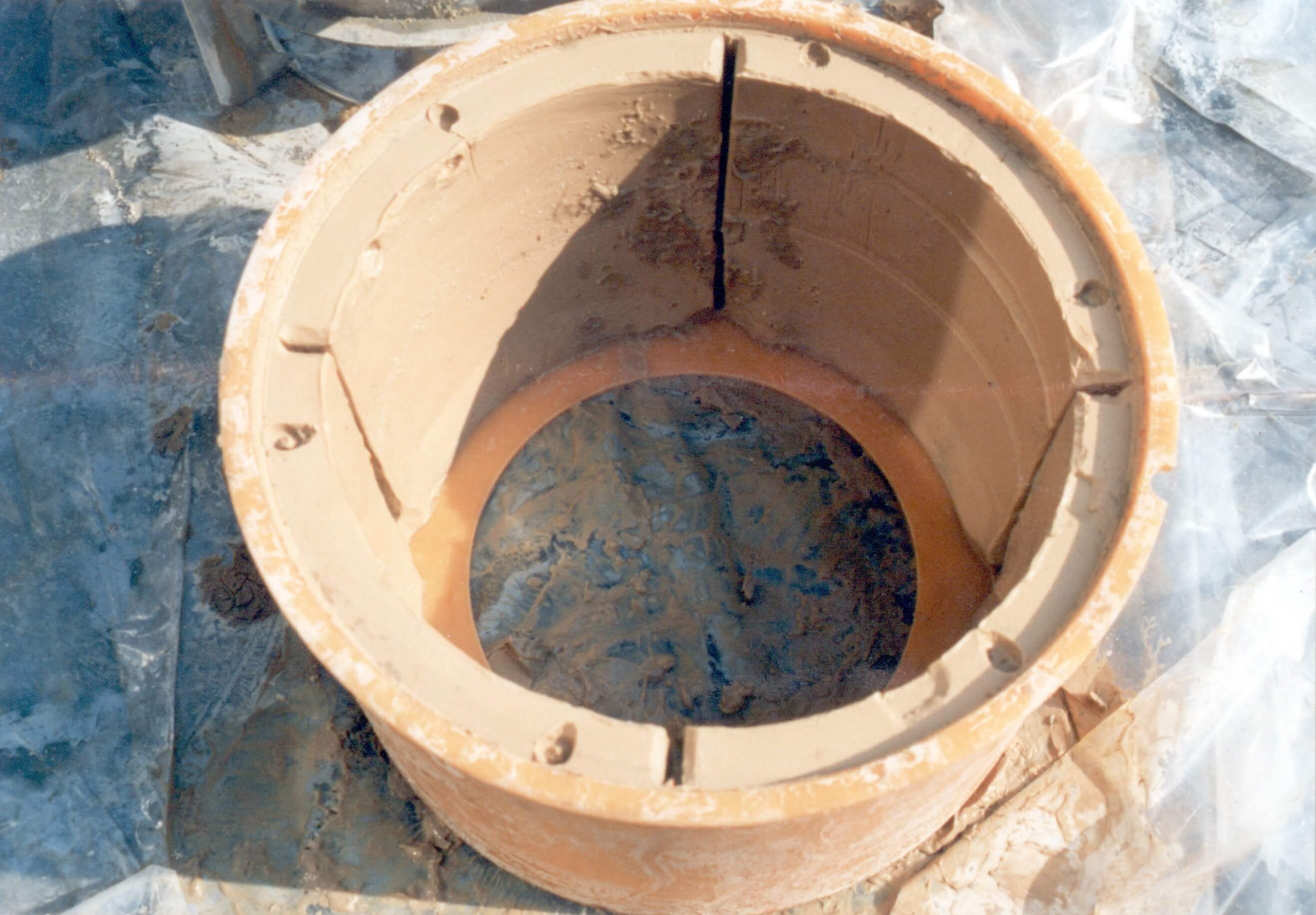
A centrifugal separator cleans the bath continuously in bypass. The bath liquid flows through a drum that spins at high speed, and the phosphate sludge is pressed against the drum wall as a compact, dry cake. The clean solution flows straight back into the bath. There are no filter bags to replace, and the dry sludge is much lighter to dispose of. A separate oil removal system can take off the tramp oil at the same time.
Case study: bath life extended from 3 weeks to 5–6 months
At a radiator manufacturer in Belgium, radiators are degreased and iron-phosphated in a spray line with two active zones of 13,500 litres each. The baths had to be replaced completely after only about 3 weeks, because of around 200 litres of tramp oil and 35 litres of phosphate sludge entering the baths every day.
STA installed four S-15 centrifugal separators (two per zone) plus a tramp oil removal system. The results:
- 32–40 kg of compact, cake-dry phosphate sludge separated per shift
- About 80–100 litres of tramp oil removed from the bath
- Bath life extended from 3 weeks to 5–6 months
- Spray nozzles free from deposits and minimal maintenance
- No more bag filter costs, lower disposal and chemical costs
- Investment of about €107,000 recovered in 18 months
Read the full case study: Phosphating process.
Phosphating bath maintenance in Thailand
E&W Industrial Service Asia supplies and services STA centrifugal separators for phosphating, degreasing and other pre-treatment baths in Thailand and Southeast Asia. Models such as the STA S-15 can be built from special materials for aggressive media up to pH 1–14 and 90 °C. We offer site assessments, trial units and local after-sales service.
Contact us to discuss your phosphating line, or see our STA centrifugal separators.
